


In this article, we interviewed four of our environment artists hired through our mid-career hiring program!
We asked them about their job histories, current duties, what they like about the company, and things they want to try in the future.
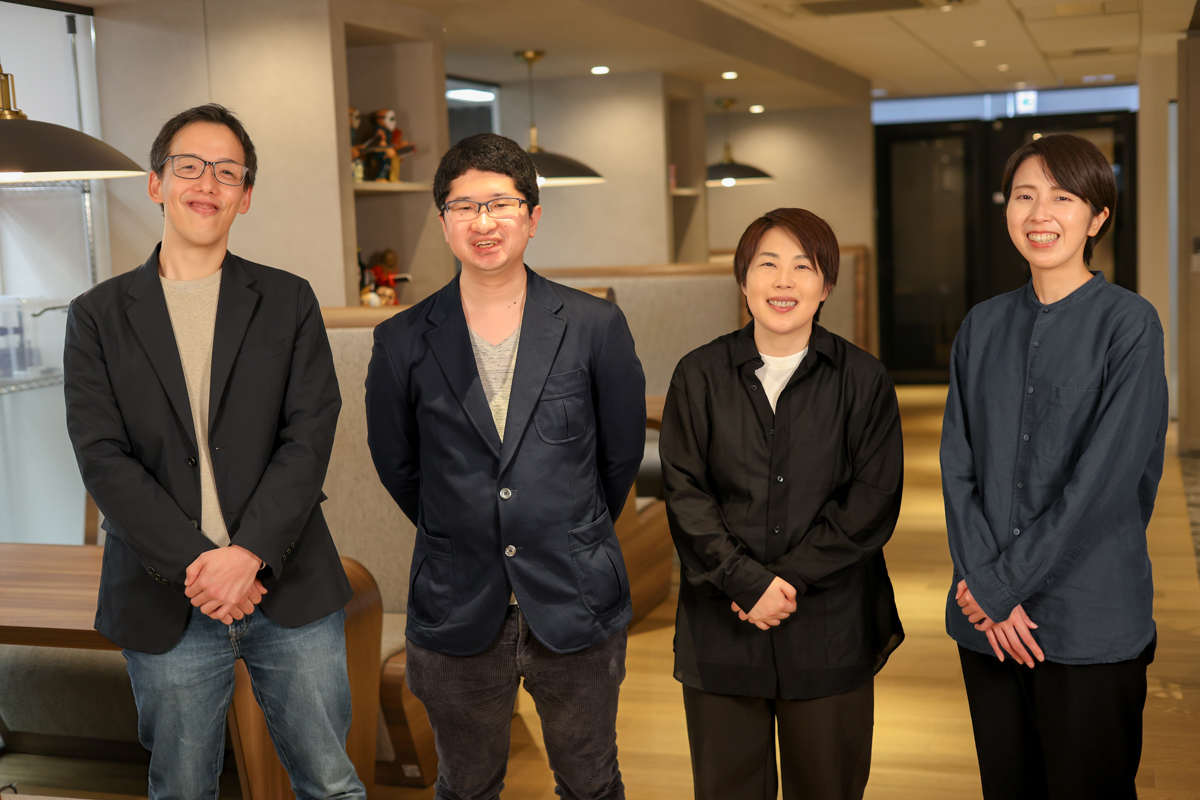
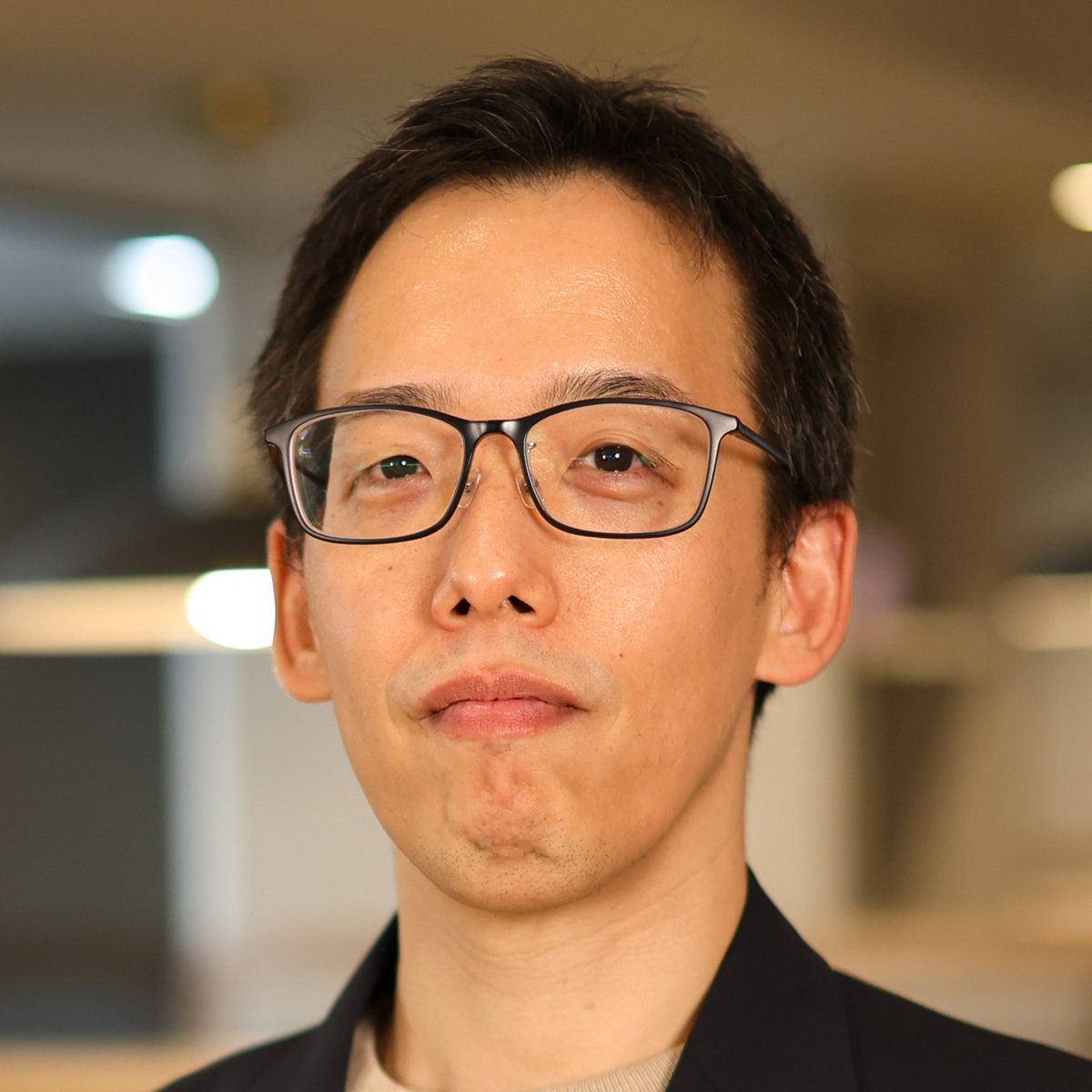

2022 mid-career hire
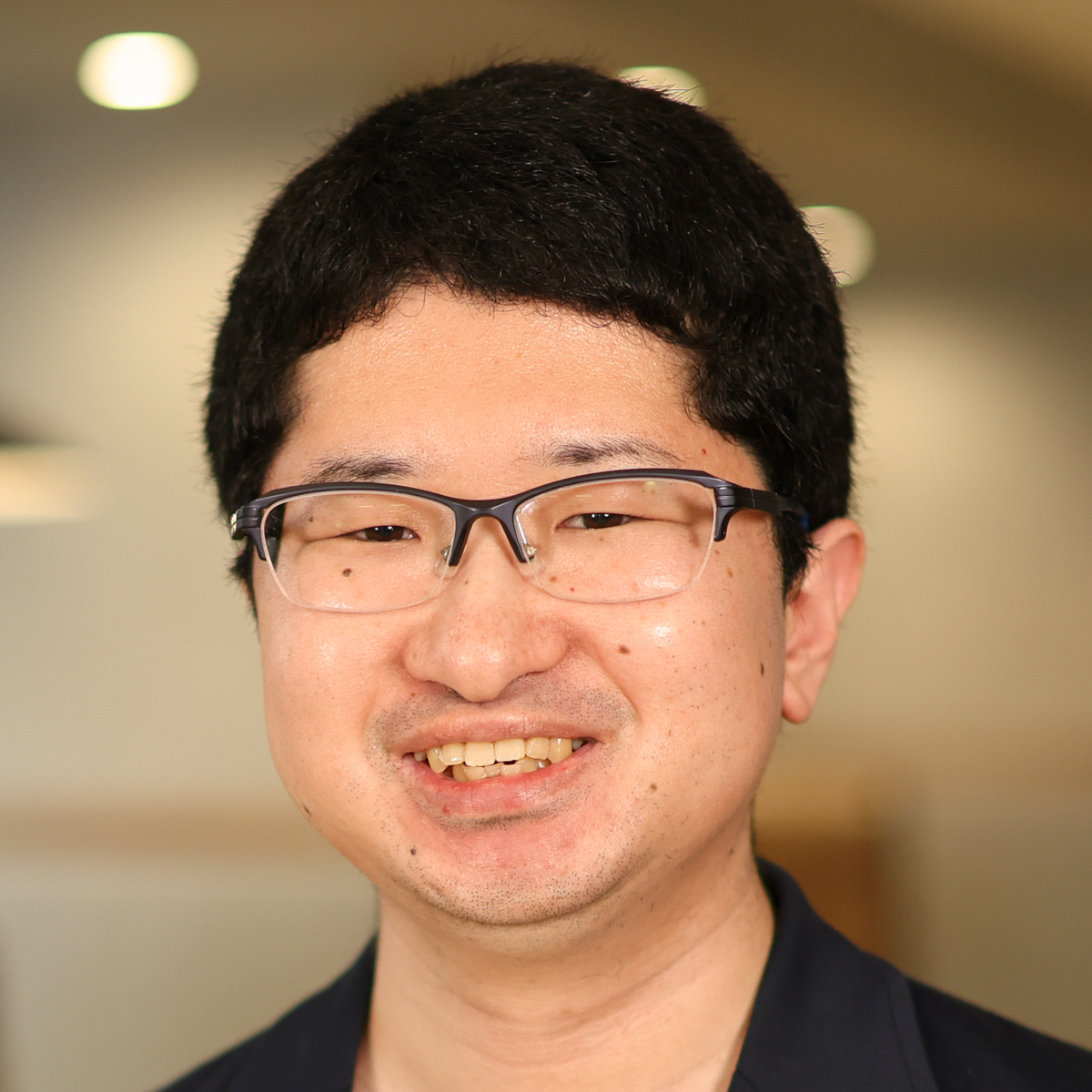
2023 mid-career hire
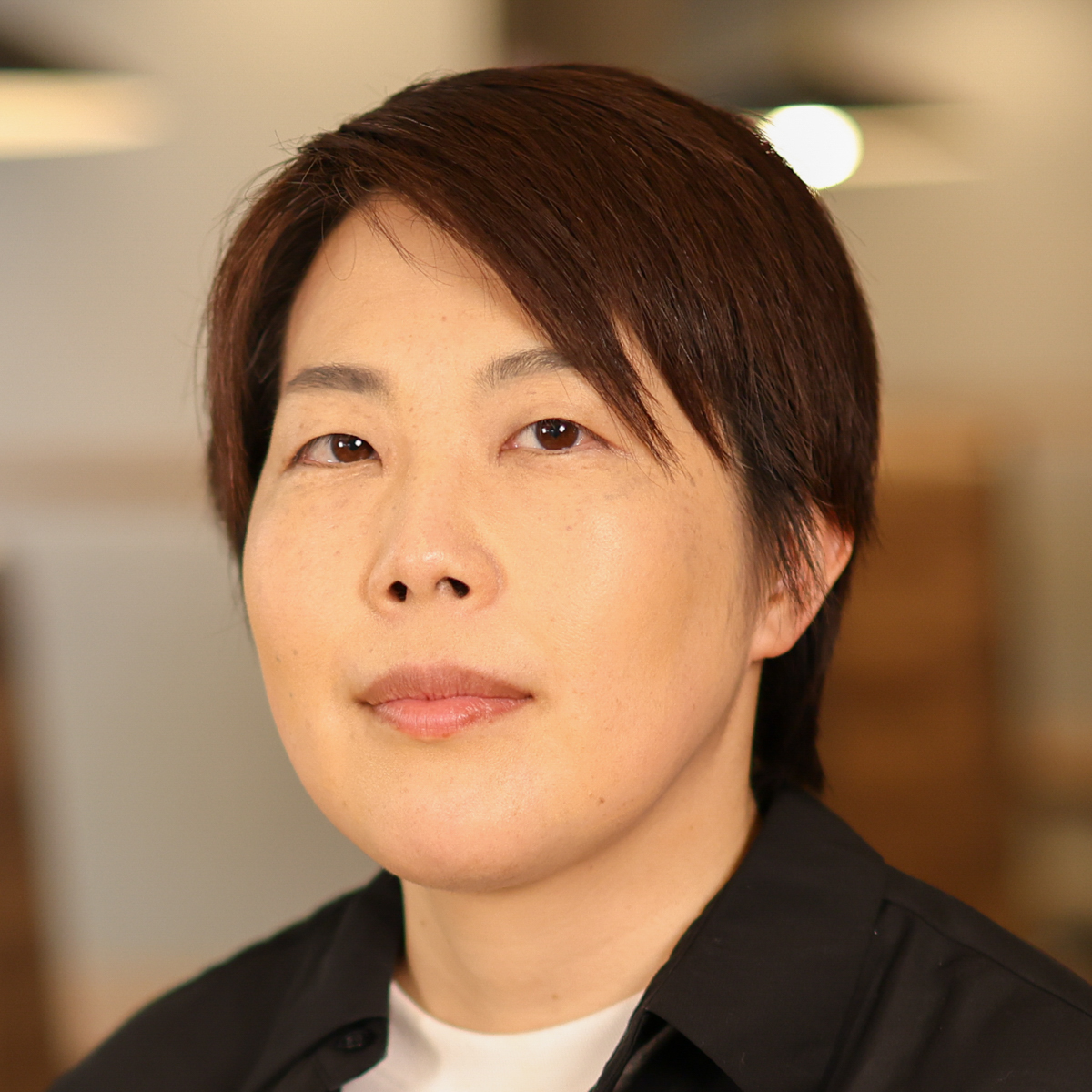
2023 mid-career hire
2021 mid-career hire
Leveraging Work Experience into Making Games
―What kind of projects or work were your involved in at your old jobs?
Yamamoto (Mayo): You can broadly divide my career into visual media, non-Japanese visual media and games, and Japanese games.
I started my career in the anime industry, where I worked on animation, compositing, and effects. My next job was in general visual media, where I expanded my experiences to modeling, lighting, rendering, and compositing as a VFX artist.
I would make commercials, TV shows, and movies for domestic and international projects for about 10 years, then I changed jobs again to work as a character artist at a game developer outside Japan. After coming back, I decided to focus on environment art as a way to leverage my experience and contribute to Japanese game development.
After being a senior artist on my assigned project at my previous company, I mostly worked on environmental design and prop production for RPG titles, which is also what I’m doing now. I recently also started getting involved in training the artists at our Malaysia studio.
Morito: I previously worked as a generalist in visual media for about a decade. As for the projects I worked on, about 70% was live action and 30% was full computer graphics. Most of it was for movies and commercials, but we also took jobs for game cinematics, music videos, non-animated advertising, and even VR.
My actual work covered a variety of disciplines, but I particularly liked making models, materials, lighting, and compositing.
Now, I usually work on lighting as a visual artist. More specifically, I work with the materials and textures used in lighting.
Bandai Namco Studios’ Work Environment
―What did you feel was unique about Bandai Namco Studios’ work environment after you actually started working here?
Morishita: I think the company policies make it easy to work here; there’s flex time, considerations for taking care of children and other family members, and more. Many employees are actually using these benefits, so that encourages me to take advantage of them as well.
The company also seems to hold a lot of internal workshops. It’s not just about video games, but other companies come and share their information on topics like sculpting and anime production, so everyone can learn something from them.
It’s an environment where you can learn while you work.
Yamamoto (Manabu): Many of the companies I worked for have been small-scale or venture companies, so Bandai Namco Studios was the first company I worked at where there were many experienced developers.
I was surprised that some of these people even worked on the games I used to play. My days are filled with excitement because I get to work with these highly experienced people.
Is Your Previous Job Experience Being Put to Use?
―Were there moments where past work experience came in handy?
Morito: Having worked for many years in visual media, I feel that composition skills used at my previous jobs can apply to games as well.
Games are rendered in real time so there are many restrictions on lighting and rendering, but you can say it’s the same as other visual media in that you have to create something given a set of limitations.
My understanding of how rendering works came in handy. Some of my knowledge came from TAs and engineers, but I already had knowledge of prerendering, so I think I got used to game development relatively smoothly.
Yamamoto (Manabu): Many of the projects I worked on before were small scale, so there was often collaboration across disciplines, such as between engineers and game designers. My current environment often has me communicate across disciplines, so my previous experience helps with that.
Recent projects tend to grow greatly in scale, but I still believe being able to navigate horizontally through a project is one of my strengths.
The Fun of Being an Environment Artist
―What’s the most interesting part of being an environment artist?
Morishita: Creating experiences through spaces that feel fun, scary, epic, etc. is the interesting part of being an environment artist.
I think it’s great fun to create an entire world where the environments you made get combined with the scenario, lighting, music, and other game elements.
Yamamoto (Mayo): I used to be a character artist, so I often notice the differences between that and environment modeling. Character modeling is fun when you think about how much detail you can fit into a character, but environments are more about creating a foundation for the game experience.
It really feels like you are building the game from the ground up when you work with other creators to make the game world and gameplay experience. It’s very exciting when a level I make has lighting, characters, and effects added to it, no matter how many times I experience it. It’s like high-speed world building!
Environment art also has the unique technical challenge of needing to make sure a ton of assets come together without breaking, so that’s interesting as well.
The Challenges of Changing Jobs
―Please tell us your future goals and what kinds of artistic expression you want to try next.
Morito: In the field of real-time rendering, I’d like to try making something that’s photorealistic like in movies… but for a fantasy world that you won’t find in reality.
I was originally interested in computer graphics because of the visual effects and pre-rendered footage used in movies, so I think it would be fun to create something like this in a game since the player can freely navigate the game world.
Most of my time is spent on lighting now, but I like to build worlds as well, so I’ll keep improving my skills at environment modeling while creating interesting worlds for our players through lighting.
Yamamoto (Manabu): I want to further increase my ability to express myself through environment art. Large scale project development asks for high expertise and high quality standards, so I want to make full use of my work conditions to improve myself.
In the future, I would like to be someone who can raise the quality not only of my own output, but the output of my entire team.
The Work Ethic Valued by Bandai Namco Studios
―What skills and work ethic do you feel is required when working here?
Morishita: I think that Bandai Namco Studios values people who have an idea of what they want to do and proactively move to achieve it.
My personal impression of the company is that employee growth isn’t left to the person’s own devices, but managers are involved to set specific goals for acquiring certain skills during a project or learning specific tools.
When I was looking for a new job, although I had leader and lighting experience, it had been a while since I last did any modeling. So when I started here, I was able to fill in this experience gap by doing tasks that focused on modeling for projects and in workshops.
In the future, I’d like to broaden my knowledge on lighting and tools.
Yamamoto (Mayo): I’ve worked at more than 10 companies if you count my freelance and staffing company experience. I feel that Bandai Namco Studios has a particular emphasis on collaboration, where individual careers and opinions are respected, and the overall culture is to make something even better as a team. That’s one of the nice things I found out about after starting here.
In the Environment Section, there seems to be a high demand for TA-like people who can create node-based systems and frameworks. There are also many opportunities to leverage English skills or international experiences as we interact with studios outside Japan daily.
Messages from Everyone
―Let’s end with a message for people who are thinking of applying!!
Morishita: When I was job-hunting, I was looking for a place that produced art in a variety of styles and handled a variety of IPs. I recommend this company for anyone who wants to try their hand at various things!
Yamamoto (Mayo): For me, I was able to leverage my international experiences more naturally than I had imagined. The company has English learning support, and we collaborate frequently with the artists at the Malaysia studio. I don’t think there are that many companies that communicate so closely with their overseas branches.
The company also works on multiple projects at a time, so it’s relatively easy to find something you want to try your hand at. Career flexibility is another appealing point, as you can change to other specialist disciplines or experience new roles, so it’s a good environment for those who want to become capable at more things.
Morito: When I changed industries from visual media to video games, I was uncertain if my experience could be applied to the game industry. But once I was on the job, there were many situations where my knowledge was useful, so if you have a passion for making games, don’t hesitate to apply.
Bandai Namco Studios does more than graphics production and is an environment that allows you to be deeply involved in all matters of game development. You get to experience building the game as a team and the work is rewarding for those who have a creative spirit. It’s a fun workplace!
Yamamoto (Manabu): Many people here have deep knowledge of their specialties, so I think it’s an environment where you can be inspired and grow.
It’s a really good place for people who want to further their skills while applying their strengths at the same time. It’ll be great if I can make games with more people like that.
―Thank you very much!



